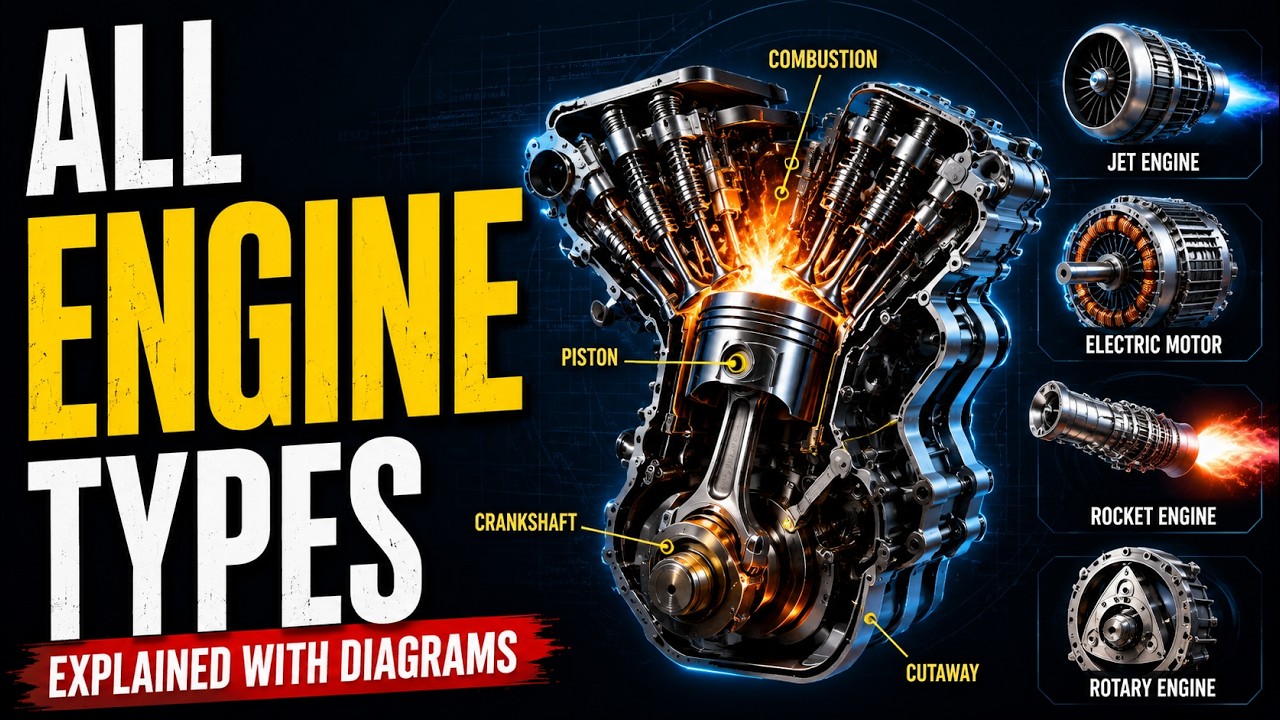
A jet engine is built by assembling thousands of precision-machined components into four core modules — the fan, compressor, combustor, and turbine — each manufactured to tolerances measured in thousandths of an inch. Modern turbofan engine construction is considered one of the most demanding manufacturing processes in aerospace engineering, combining advanced metallurgy, computational fluid dynamics, and robotic assembly techniques. Understanding how jet engines are built reveals why a single commercial turbofan can cost between $10 million and $40 million and take over a year to produce from raw material to flight-ready unit.
Key Takeaways
- Jet engines are assembled in four major modules: the fan section, compressor, combustion chamber, and turbine, each built and tested independently before final integration.
- Turbine blades operate at temperatures exceeding 1,700°C — hotter than the melting point of the nickel superalloys they are made from — and survive only because of internal cooling channels and ceramic thermal barrier coatings.
- Each engine undergoes a full test cell run at up to 110% rated thrust before it is certified for installation on an aircraft.
- A single large turbofan engine contains over 25,000 individual parts, with some critical components requiring more than 200 distinct manufacturing steps.
Where It All Begins: Raw Materials and Forging
Jet engine construction starts long before any assembly begins. The primary structural metals — titanium alloys, nickel superalloys, and steel — arrive at the manufacturing facility as certified billet stock, each batch accompanied by detailed chemical composition records. Traceability is absolute: every pound of metal used in a flight-critical part can be tracked back to its original ore batch.
Major structural components like compressor discs and turbine discs begin as solid cylindrical billets that are heated and forged under enormous hydraulic presses — sometimes exceeding 50,000 tons of force. Forging aligns the grain structure of the metal, producing parts that are significantly stronger than anything cast or machined from plate. After forging, each disc undergoes extensive non-destructive testing including ultrasonic inspection and X-ray imaging to verify there are no internal voids or inclusions that could cause catastrophic failure under the extreme stresses of operation.
The Fan Section: First Impressions of Airflow
The large fan at the front of a modern high-bypass turbofan is the most visually recognizable component of the engine. Fan blades on engines like the GE90 or Rolls-Royce Trent 1000 can be over a meter long and are typically made from carbon fiber composite materials layered into titanium leading-edge sheaths. Each blade is individually balanced and matched to its partner blades so that the assembled fan disc spins without vibration.
The fan case — the circular housing surrounding the blades — is engineered to contain a blade-off event. Regulations require that if a fan blade detaches at full speed, the case must absorb the impact without allowing fragments to penetrate the fuselage. This containment requirement drives the fan case to be one of the heaviest single components in the engine despite advances in composite construction.
Compressor Assembly: Stacking the Stages
Behind the fan sits the compressor, which is divided into a low-pressure compressor (also called the booster) and a high-pressure compressor. Together, these sections can compress incoming air by ratios exceeding 40:1 in the most advanced engines. Assembly of the compressor is methodical: alternating rows of rotating blades attached to discs and stationary vanes fixed to the casing are stacked stage by stage.
Each compressor disc is assembled with its blades, balanced dynamically on a spin rig, and then stacked onto the central shaft. The clearance between blade tips and the compressor casing is critical — too large a gap and efficiency drops, too small and blades can rub destructively. Modern engines use abradable coatings on the casing inner surface so that blades can cut their own precise running clearance during the first operational cycles.
Variable Stator Vanes
High-pressure compressors include variable stator vanes — rows of stationary aerofoils whose angle can be adjusted by actuators as the engine accelerates or decelerates. These vanes prevent compressor stall, a condition where airflow separates from the blade surfaces and the compression process breaks down. Installing and rigging the variable vane mechanisms is a highly skilled task requiring precise calibration of each vane's angular travel.
The Combustion Chamber: Controlled Inferno
The combustor receives compressed air at high temperature and pressure, mixes it with jet fuel, and burns that mixture continuously and stably. Modern turbofan engines use an annular combustor — a ring-shaped chamber surrounding the engine axis — which provides a more uniform exit temperature than older can-style designs.
Combustor liners are manufactured from nickel superalloys and coated with ceramic thermal barrier coatings only a fraction of a millimeter thick, yet capable of insulating the metal from gas temperatures that would otherwise melt it instantly. Thousands of precisely angled film cooling holes are drilled through the liner using laser or electrical discharge machining, creating a thin boundary layer of cooler air that flows along the inner surface.
Fuel injectors — sometimes called burner nozzles — are screwed into the combustor dome at equally spaced positions around the annulus. Each injector atomizes fuel into a fine mist and swirls it with air to ensure complete combustion and minimize the production of carbon monoxide, unburned hydrocarbons, and nitrogen oxides. Emissions compliance is now as important a design driver as thermal efficiency.
Turbine Assembly: Harvesting Energy from Fire
Immediately downstream of the combustor, the turbine extracts energy from the hot, high-velocity gas. Like the compressor, the turbine consists of alternating rows of rotating blades and stationary nozzle guide vanes. The high-pressure turbine (HPT), typically one or two stages, drives the high-pressure compressor, while the low-pressure turbine (LPT) drives the fan.
High-pressure turbine blades are among the most extraordinary manufactured objects on Earth. Cast from single-crystal nickel superalloy — meaning the entire blade is literally one crystal with no grain boundaries — they contain an intricate internal network of cooling passages that are created by ceramic cores placed inside the casting mold and later dissolved with acid. After casting, each blade receives multiple thermal barrier coating layers applied by electron-beam physical vapor deposition, which grows the coating one atomic layer at a time to maximize adhesion and strain tolerance.
Turbine blade installation requires careful attention to moment-weight matching. Each blade is weighed and its center of mass measured, and the set of blades for each disc must be arranged so that the disc remains perfectly balanced. An unbalanced turbine spinning at 10,000 to 15,000 rpm would destroy itself within seconds.
Final Assembly and Integration
Once each major module — fan, compressor, combustor, and turbine — has been assembled and individually tested, the engine is built up on a final assembly stand. Modules are mated together with precision-aligned flanges, and the external gearbox, fuel control unit, and hundreds of tubes, pipes, and electrical harnesses are attached. Technicians work from detailed digital work instructions that include augmented-reality guidance for complex wiring and plumbing runs.
The assembled engine is then transported to a test cell — a massive reinforced facility with inlet ducting and an exhaust silencer — where it is run through a comprehensive acceptance test. The test sequence starts at idle and progressively increases thrust, verifying fuel consumption, vibration levels, oil pressure, and temperature profiles at every power setting. The engine must demonstrate it can achieve its rated thrust and sustain operation at 110% of that thrust for a prescribed duration without exceeding any temperature or stress limits.
From Factory to Wing
After passing its acceptance test, the engine is inspected, any minor adjustments are made, and it is preserved for shipping. Engines are typically transported in customized shipping stands that protect them from shock and contamination during transit to the aircraft final assembly line, where they are mounted on the wing or fuselage pylons and connected to the aircraft fuel, electrical, and control systems. A full engine run on the aircraft — called a ground engine run — verifies the installation before the aircraft flies.
The entire process from raw billet to certified installed engine can take 12 to 18 months for a large commercial turbofan, reflecting the extraordinary precision, testing, and quality assurance that makes modern commercial aviation among the safest forms of transportation ever devised.