Understanding how electricity is generated and delivered requires knowing the strengths and limitations of every type of power plant on the grid. Whether you are curious about nuclear fission, combined-cycle gas turbines, or renewable energy sources like wind and solar, the modern electrical grid is a marvel of engineering that balances supply and demand in real time across thousands of kilometers of transmission lines.
How the Electrical Grid Works: The Big Picture
The electrical grid is not a single machine — it is a vast, interconnected system that links power plants of every type to homes, factories, hospitals, and data centers. At its core, the grid must do one thing continuously: match the exact amount of electricity being generated to the exact amount being consumed, every second of every day. When generation exceeds demand, grid frequency rises. When demand exceeds generation, frequency falls. Grid operators use a mix of power plant types to keep frequency locked at 50 Hz or 60 Hz depending on the country.
This balancing act is why no single type of power plant can run the grid alone. Different plants serve different roles — some provide a constant baseline of power, others ramp up and down to follow demand, and still others respond almost instantly to sudden fluctuations. Engineers classify these roles as baseload, load-following, and peaking power.
Thermal Power Plants: The Workhorses of the Grid
Coal-Fired Power Plants
Coal plants were the backbone of industrial electricity generation for over a century. They work by burning pulverized coal to boil water into high-pressure steam, which spins a turbine connected to a generator. The thermodynamic cycle used is the Rankine cycle, and modern supercritical coal plants can achieve thermal efficiencies approaching 45%. Despite this, coal remains carbon-intensive, releasing roughly 820 grams of CO2 per kilowatt-hour of electricity produced. Many countries are retiring coal plants as natural gas and renewables become cheaper, but coal still supplies a significant share of global electricity.
Natural Gas Power Plants
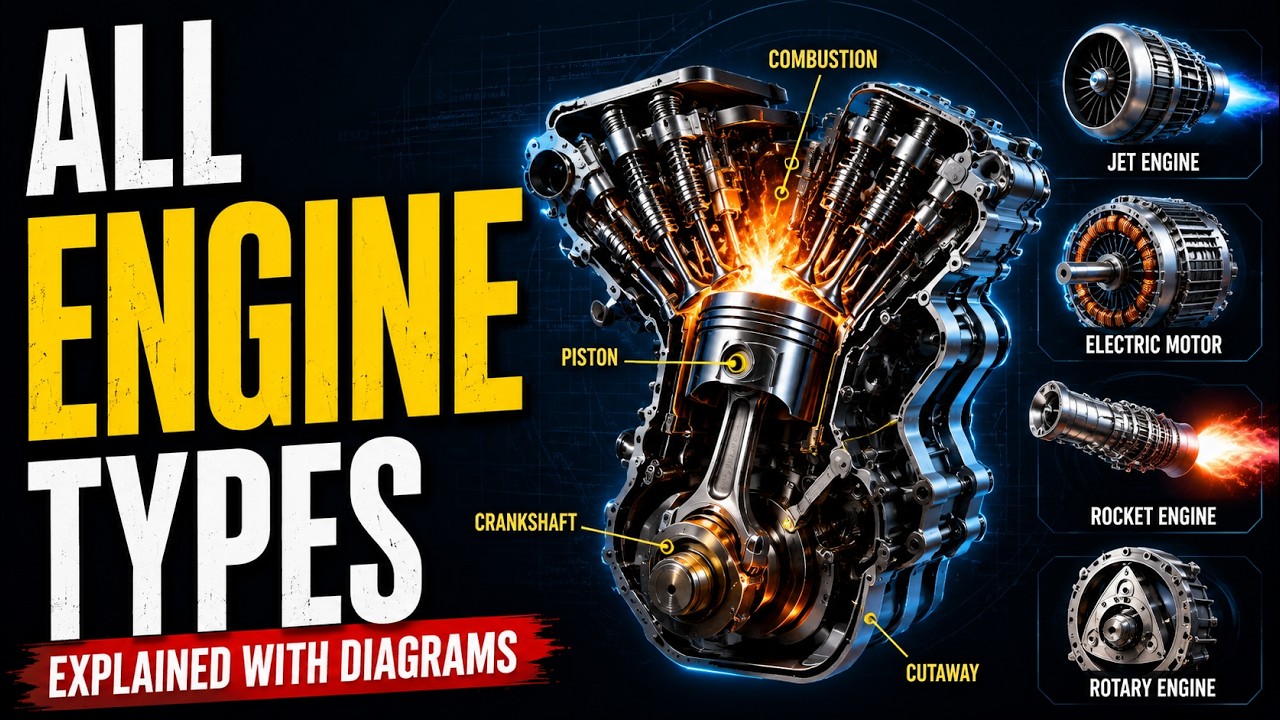
Natural gas plants come in two main configurations: simple-cycle and combined-cycle. A simple-cycle gas turbine works much like a jet engine — compressed air mixes with burning gas to spin a turbine directly. These plants are fast to start (sometimes within minutes) and are used primarily as peaking plants to cover demand spikes. Combined-cycle gas turbine (CCGT) plants add a second stage: waste heat from the gas turbine is used to generate steam and drive a second steam turbine. This two-stage process pushes efficiency above 60%, making CCGT plants among the most efficient thermal generators available. Natural gas emits roughly half the CO2 of coal per kilowatt-hour.
Nuclear Power Plants
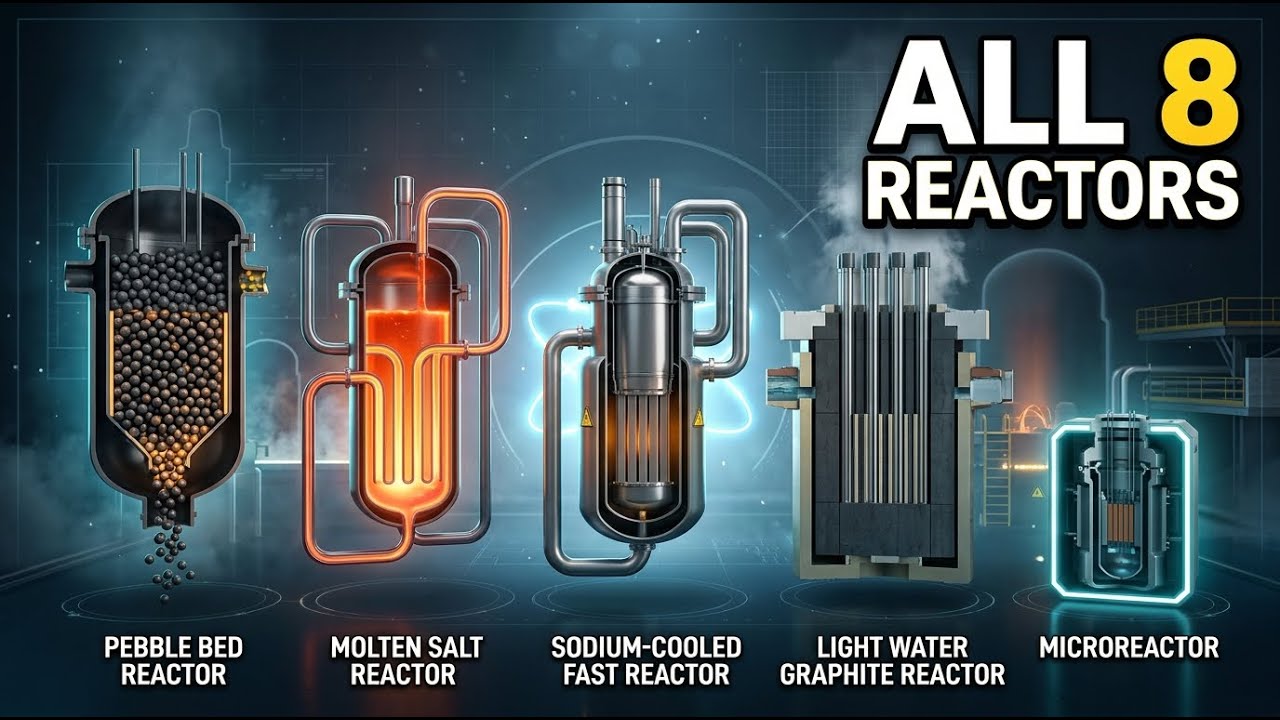
Nuclear plants use the heat from fission reactions — typically the splitting of uranium-235 atoms — to generate steam and drive turbines. The reactor itself replaces the boiler found in a coal plant, but the rest of the process is essentially the same Rankine cycle. Most commercial reactors in the world are pressurized water reactors (PWRs) or boiling water reactors (BWRs). Nuclear plants have very low marginal fuel costs and produce no direct carbon emissions during operation, which makes them ideal for continuous baseload generation. A single large reactor can produce over 1,000 megawatts around the clock, enough for roughly one million homes. The primary challenges are high capital costs, the management of radioactive waste, and long construction timelines.
Hydroelectric Power: Water as an Energy Source
Hydroelectric plants convert the potential energy of water stored at elevation into electrical energy. Water flows through penstocks (large pipes) to spin Pelton or Francis turbines connected to generators. Large hydroelectric dams, like the Three Gorges Dam in China or the Hoover Dam in the United States, are among the most powerful single generating stations on Earth. Hydro plants are extremely flexible — operators can adjust output within seconds by opening or closing water gates, making hydro an excellent source of both baseload and load-following power.
A specialized variant called pumped-storage hydropower acts as a giant rechargeable battery. During periods of low demand and excess generation, pumps push water uphill into a reservoir. During periods of high demand, that water is released to generate electricity. Pumped storage currently accounts for the vast majority of grid-scale energy storage worldwide.
Renewable Energy: Wind and Solar on the Grid
Wind Power Plants
Wind turbines convert the kinetic energy of moving air into electricity. Modern utility-scale turbines have blades spanning over 100 meters and sit atop towers 80 to 120 meters tall. The blades connect to a gearbox and generator housed in the nacelle at the top of the tower. Offshore wind farms benefit from stronger and more consistent winds than onshore installations, though they are significantly more expensive to build and maintain. The variability of wind output — it only generates power when the wind is blowing at the right speed — is the central grid integration challenge. Wind has a capacity factor of roughly 25 to 45%, meaning it produces that percentage of its theoretical maximum output averaged over a year.
Solar Power Plants
Solar generation comes in two main forms. Photovoltaic (PV) systems use semiconductor cells to convert sunlight directly into direct-current electricity, which inverters then convert to alternating current for the grid. Utility-scale solar farms can cover hundreds of acres with panels and generate hundreds of megawatts. Concentrated solar power (CSP) plants instead use mirrors to focus sunlight onto a receiver, generating heat to drive a conventional steam turbine. CSP can incorporate thermal storage — molten salt is a common medium — allowing it to generate electricity after sunset. Like wind, solar is variable and generates nothing at night or during heavy cloud cover, requiring backup generation or storage to maintain grid reliability.
Emerging and Niche Power Sources
Geothermal Power
In geologically active regions such as Iceland, Kenya, and parts of the western United States, heat from the Earth itself can generate electricity. Geothermal plants tap into underground reservoirs of steam or hot water to drive turbines. They are remarkably consistent — essentially baseload renewable energy — but are limited to areas with accessible geothermal resources.
Biomass and Waste-to-Energy
Biomass plants burn organic material — wood pellets, agricultural residue, or dedicated energy crops — to generate steam and electricity. Waste-to-energy plants incinerate municipal solid waste. Both are considered low-carbon under certain lifecycle accounting frameworks, though combustion still produces emissions and other environmental concerns.
Tidal and Wave Energy
Ocean energy technologies remain largely in the demonstration phase. Tidal barrages trap tidal flows to spin turbines, while wave energy converters harness the up-and-down motion of ocean swells. The resource is predictable but capital costs remain very high and the technology has not yet scaled commercially.
How Different Plant Types Balance the Grid Together
A well-designed grid uses each type of generation for what it does best. Nuclear and large hydro provide the stable bedrock of baseload power. CCGT plants follow the daily demand curve, increasing output during morning and evening peaks and stepping back overnight. Fast-start gas turbines and hydro peakers cover sudden demand spikes or the unexpected loss of another generator. Wind and solar provide low-cost energy whenever their resources are available, displacing fuel consumption from thermal plants. Battery storage and demand response programs help absorb surplus renewable energy and release it when needed.
As the share of variable renewables grows, grid operators increasingly rely on long-distance transmission lines to smooth out local weather effects, expanded battery storage, and flexible demand — such as electric vehicle charging and industrial loads that can shift their consumption to align with renewable availability. The result is a more dynamic and distributed grid than the one built in the twentieth century, but the fundamental engineering challenge remains the same: generation must equal consumption, every moment, everywhere.